Straight Answers About What Comes After High School
Free, in-depth guides on life after graduation, alternatives to college, skilled trades, automotive careers and starting a business. No hype, no pressure, just honest information.
The Big Questions, Answered
Five in-depth guides that cover the decisions most students and families are working through. Each one links to shorter, more specific articles.
Featured Reading
A good place to start if you are not sure where to begin.
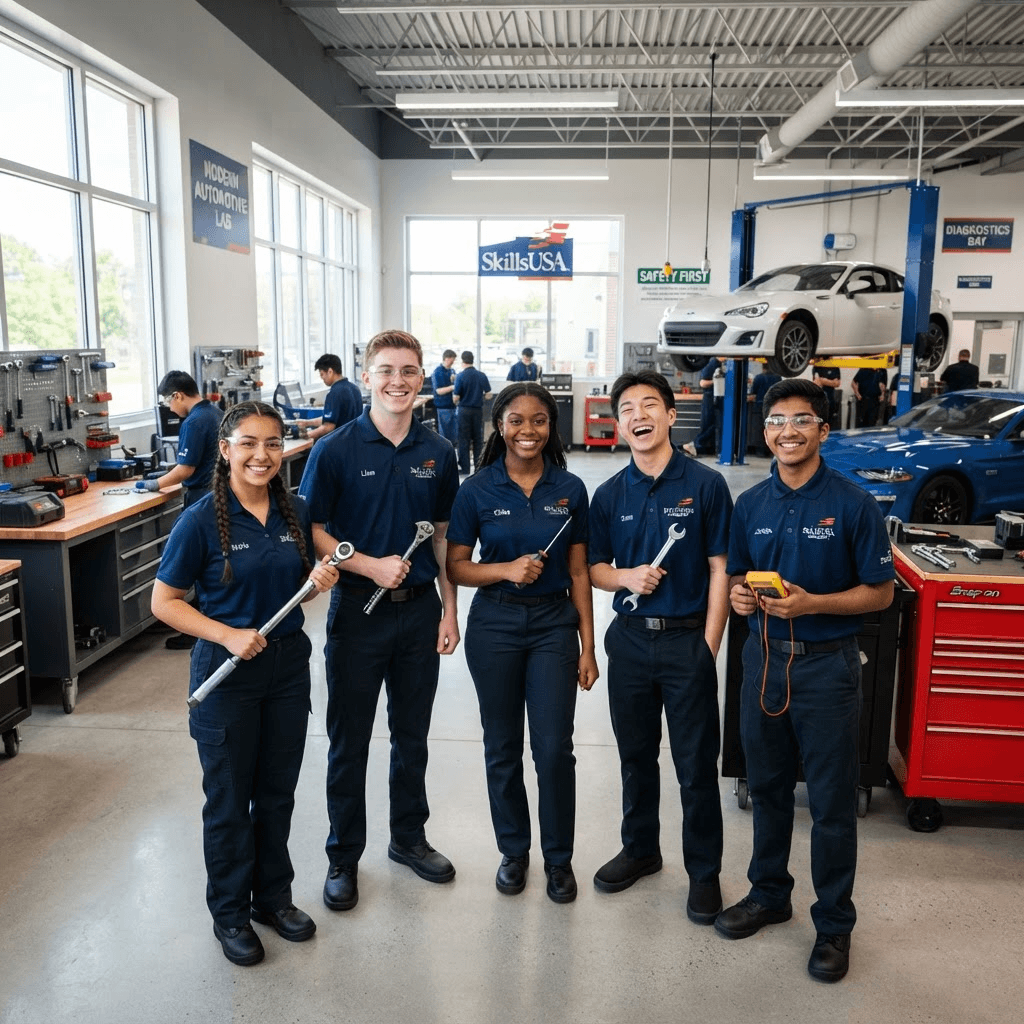
What Should You Do After High School?
A clear, objective look at your options after high school: college, community college, military, apprenticeships, skilled trades, work, entrepreneurship, and gap years.
Read the Full Guide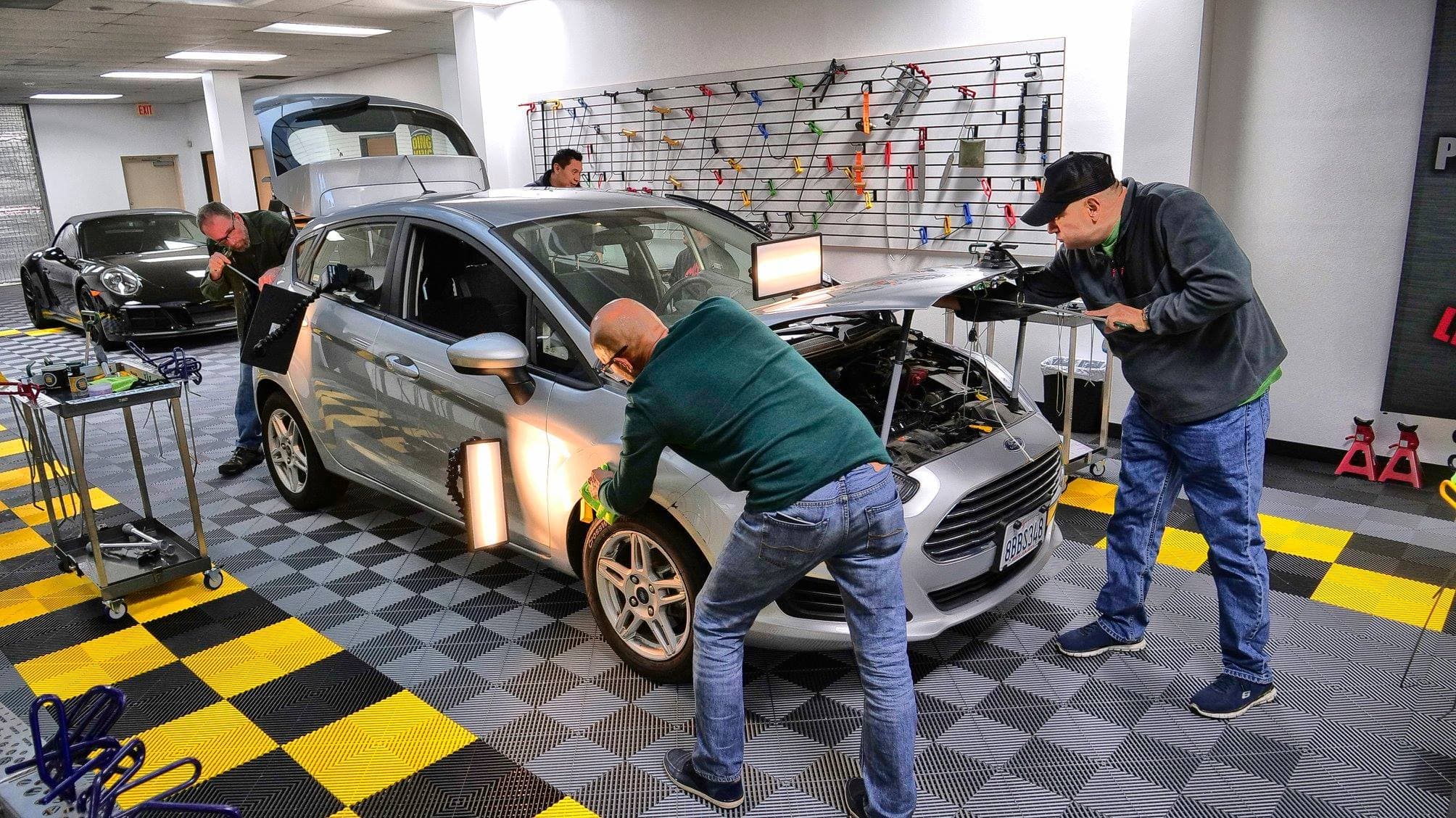
College Is One Path. It’s Not the Only Path.
College is one path, not the only one. Explore objective alternatives to a four-year degree: community college, trade school, apprenticeships, military, certifications, and more.
Read the Full Guide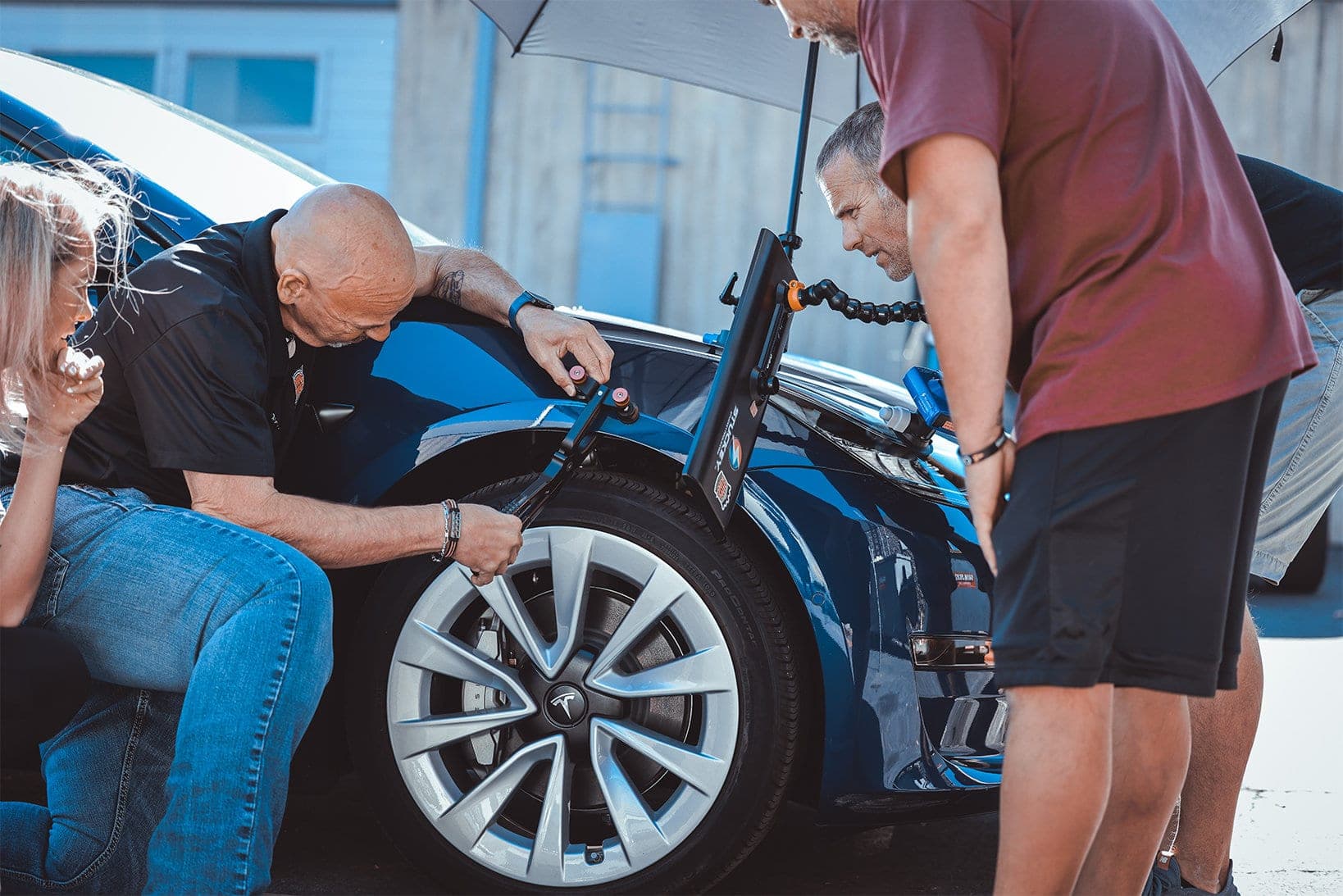
What Is a Skilled Trade?
What is a skilled trade? Learn how trade careers work, why hands-on learners thrive in them, and how automotive reconditioning fits in as one trade category.
Read the Full Guide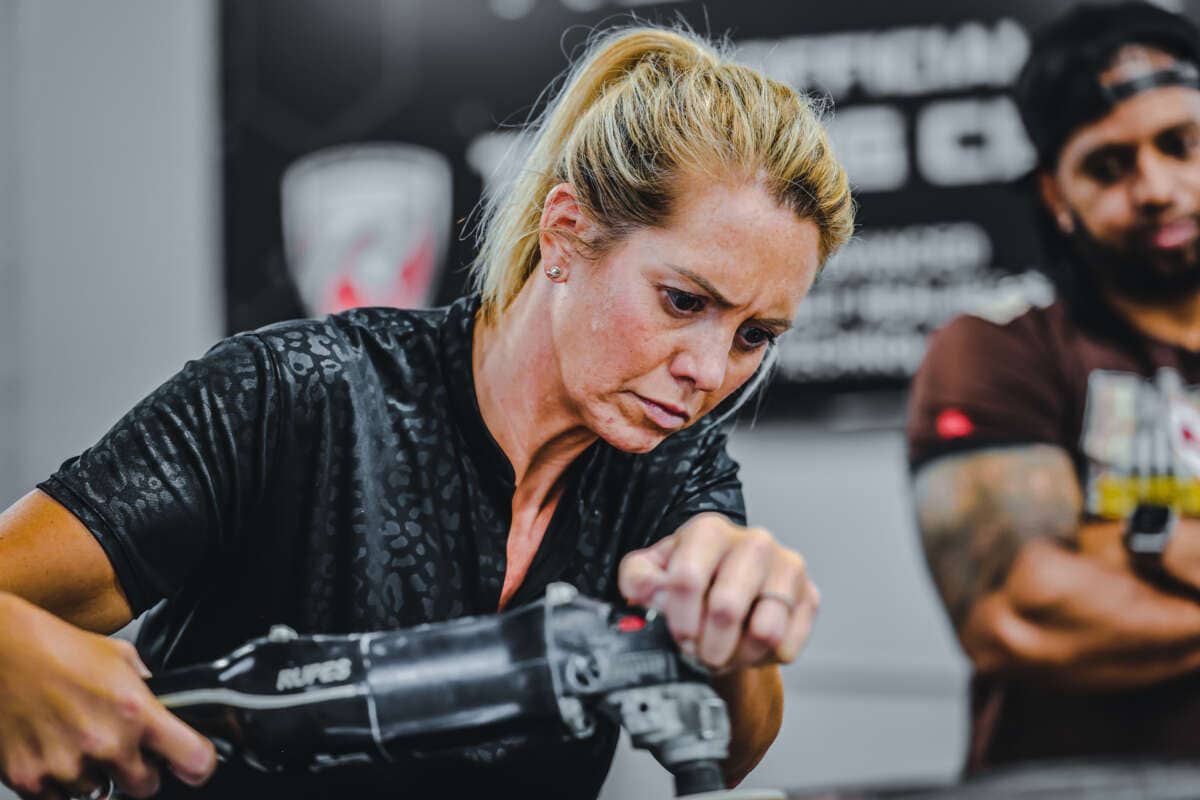
Love Cars? There’s More Than One Way to Build a Career Around Them.
The automotive industry is more than mechanics. Explore automotive career categories and learn about reconditioning skills like PDR, detailing, and paint correction.
Read the Full Guide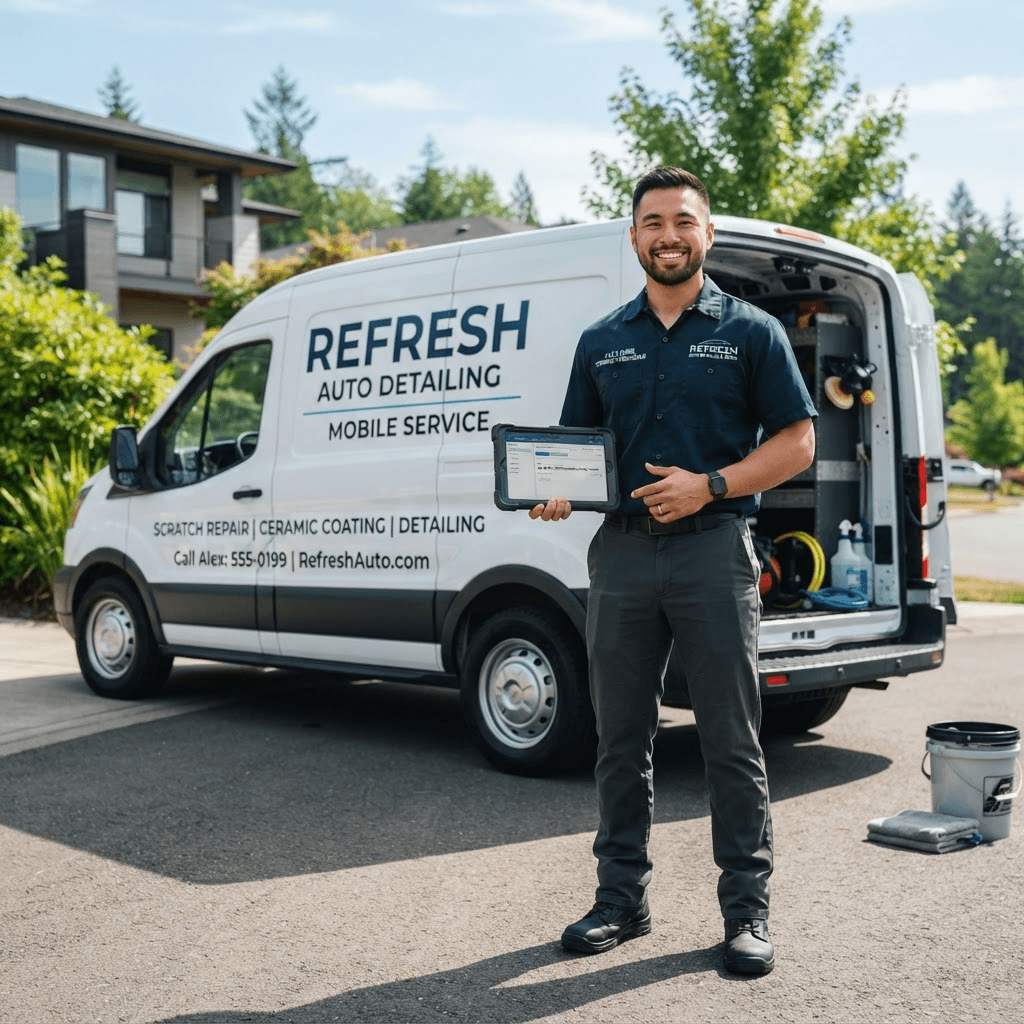
Can a Skilled Trade Become a Business?
A technical skill can be the foundation for a business. Learn what turning an automotive skill into a business realistically involves, from pricing to customer service.
Read the Full GuideTrade School vs. College: What’s the Difference?
A clear, objective comparison of trade school and college: what each is, how long they take, how they teach, and how to decide which fits your goals.
Read the Full GuideResources for Parents & Educators
Objective guidance for the adults helping students think through their options.
Browse Every Resource
Filter by who you are and the topic you care about.
What Should You Do After High School?
A clear, objective look at your options after high school: college, community college, military, apprenticeships, skilled trades, work, entrepreneurship, and gap years.
Read the Full GuideCollege Is One Path. It’s Not the Only Path.
College is one path, not the only one. Explore objective alternatives to a four-year degree: community college, trade school, apprenticeships, military, certifications, and more.
Read the Full GuideWhat Is a Skilled Trade?
What is a skilled trade? Learn how trade careers work, why hands-on learners thrive in them, and how automotive reconditioning fits in as one trade category.
Read the Full GuideLove Cars? There’s More Than One Way to Build a Career Around Them.
The automotive industry is more than mechanics. Explore automotive career categories and learn about reconditioning skills like PDR, detailing, and paint correction.
Read the Full GuideCan a Skilled Trade Become a Business?
A technical skill can be the foundation for a business. Learn what turning an automotive skill into a business realistically involves, from pricing to customer service.
Read the Full GuideHelping Your Graduate Choose What Comes Next
Practical guidance for parents helping a graduate choose what comes next, from evaluating college alternatives and trade schools to understanding hands-on careers.
Read the Full GuideCareer Resources for the Conversations You Have Every Day
Postsecondary planning resources for counselors and CTE staff, covering pathways beyond the four-year university, hands-on careers, and automotive opportunities.
Read the Full GuideTraining Guides
Program-specific guides for people ready to look at automotive reconditioning training, including the skills covered and how the hands-on program works.
Read the Full GuideWhat to Do After High School: 10 Paths Worth Considering
Ten legitimate paths to consider after high school, from college and trades to apprenticeships, work, and entrepreneurship, with honest notes on who each fits.
Read the Full GuideDon’t Want to Go to College? Here Are Your Options
Not interested in a four-year degree? Here are real options after high school, from trade school and apprenticeships to certifications, work, and entrepreneurship.
Read the Full GuideTrade School vs. College: What’s the Difference?
A clear, objective comparison of trade school and college: what each is, how long they take, how they teach, and how to decide which fits your goals.
Read the Full GuideHands-On Careers for Students Who Don’t Want a Desk Job
Prefer working with your hands over sitting at a desk? Explore hands-on career fields, the traits they reward, and how automotive reconditioning fits in.
Read the Full GuideCareers for People Who Love Cars
If you love cars, there are more career paths than just mechanic. Explore automotive career categories, including reconditioning, detailing, and appearance work.
Read the Full GuideHow to Start an Automotive Career After High School
A step-by-step look at how to start an automotive career after high school, from exploring specialties to hands-on training and getting your first opportunities.
Read the Full GuideHow Long Does Trade School Take?
How long trade school takes depends on the program and skill. Learn what affects the timeline and why trade training is often shorter than a four-year degree.
Read the Full GuideCan You Start a Business After Trade School?
Yes, you can start a business after trade school, but the skill is only part of it. Learn what turning a trade into a business realistically requires.
Read the Full GuideFrequently Asked Questions
Everything students, parents and schools want to know about automotive reconditioning training.
Automotive reconditioning is the skilled work of restoring a vehicle’s appearance. It covers services like dent repair, paint chip repair, interior repair, wheel repair, windshield repair, detailing and odor removal that make cars and trucks look their best.
Paintless Dent Repair (PDR) removes dents and dings by gently working the metal from behind the panel with specially designed tools. Because it works behind the damage, there is no sanding, painting or body filler, and when it is done, there should be no sign a dent was ever there.
No prior experience is required. The program is designed to teach you the skills step by step through hands-on instruction.
Yes. Training is highly hands-on, working on real vehicles in small classes rather than sitting in a lecture hall, so you learn by actually doing the work.
You can learn Paintless Dent Repair, paint chip repair, interior repair, alloy wheel repair, windshield repair, auto detailing, odor removal and bumper scuff repair.
These skills are used by independent technicians, auto dealerships, body shops, fleet and rental operations, hail repair specialists, reconditioning companies, or you can use them to start your own business.
Yes. The program goes beyond technical training and includes business development and marketing instruction to help you build a business from the ground up.
Yes. Graduates receive a professional tool package, so you learn on the equipment professionals actually use, then leave with it. (Contact us for current package details.)
Schools, counselors and CTE professionals can partner with us to introduce students to automotive reconditioning career training and potential apprenticeship opportunities. Reach out through our Partner With Us page.
Get started through our contact form or call (800) 304-3464 to speak with a representative about the program and next steps.
Your Future Starts With a Skill.
Discover how automotive reconditioning training can help you move from graduation toward a career, a business, and a future you can build yourself.