There is no single right answer to what you should do after high school. Common paths include a four-year college, community college, military service, apprenticeships, skilled-trade training, entering the workforce, entrepreneurship, and a structured gap year. The best path depends on how you like to learn, what career you want, how long you want to train, and your finances.
Below is an objective overview of the most common options. None of these is better than the others in every situation. The goal is to help you understand what each path is, who it tends to fit, and the questions worth asking before you choose.
The main paths after high school
Four-Year College
- What it is
- A bachelor’s degree program at a university or college, usually taking about four years, covering a major field plus general education.
- Who it may fit
- Students who enjoy classroom learning, want a career that requires a degree, or want time to explore academic interests.
- Questions to ask yourself
- Do I enjoy classroom and academic learning?
- Does the career I want require a four-year degree?
- Things to consider
- Total cost and any student loans
- Whether your target career actually requires a degree
- Graduation timelines and job outcomes for your major
Community College
- What it is
- A two-year college offering associate degrees, certificates, and transfer pathways, usually at a lower cost than a four-year school.
- Who it may fit
- Students who want a lower-cost start, plan to transfer later, or want a specific two-year credential.
- Things to consider
- Which credits transfer to a four-year school
- Which programs lead to specific careers
- Full-time vs. part-time schedules
Military Service
- What it is
- Enlisting in a branch of the armed forces, which can include training, education benefits, and a structured career path.
- Who it may fit
- People who want structure, service, training, and education benefits, and who meet enlistment requirements.
- Things to consider
- Service commitments and what they involve
- Available roles and training
- How benefits apply to your later goals
Apprenticeships
- What it is
- Paid, on-the-job training combined with instruction, where you learn a trade while working under experienced professionals.
- Who it may fit
- People who want to earn while they learn and prefer learning by doing.
- Things to consider
- How competitive local apprenticeships are
- The length of the program
- What credential you finish with
Skilled-Trade Training
- What it is
- Focused training that teaches a specialized, practical skill, often on a shorter timeline than a four-year degree.
- Who it may fit
- Hands-on learners who want a specialized skill and a more direct path into working in a field.
- Questions to ask yourself
- Do I prefer working with my hands?
- Do I want a shorter, more focused path into a career?
- Things to consider
- What the training actually covers
- Whether the school is established and reputable
- What you can do with the skill afterward
Entering the Workforce
- What it is
- Taking a job directly after high school to earn income and gain experience.
- Who it may fit
- People who want to start earning right away, or who want to explore work before committing to more training.
- Things to consider
- Room to grow in the role
- Whether the job builds transferable skills
- Whether you may want training later
Entrepreneurship
- What it is
- Starting your own business or service, often built on a skill, trade, or idea.
- Who it may fit
- Self-directed people who want ownership and are willing to learn business skills alongside a trade or product.
- Things to consider
- A skill or service people will pay for
- Business basics like pricing and customers
- That building a business takes time
Gap Year or Structured Exploration
- What it is
- A planned period to work, volunteer, travel, or explore interests before committing to a longer path.
- Who it may fit
- People who want time to clarify goals, as long as the year has structure and a purpose.
- Things to consider
- Having a plan, not just time off
- Cost and how you will support it
- What you want to learn or decide by the end
A hands-on career path
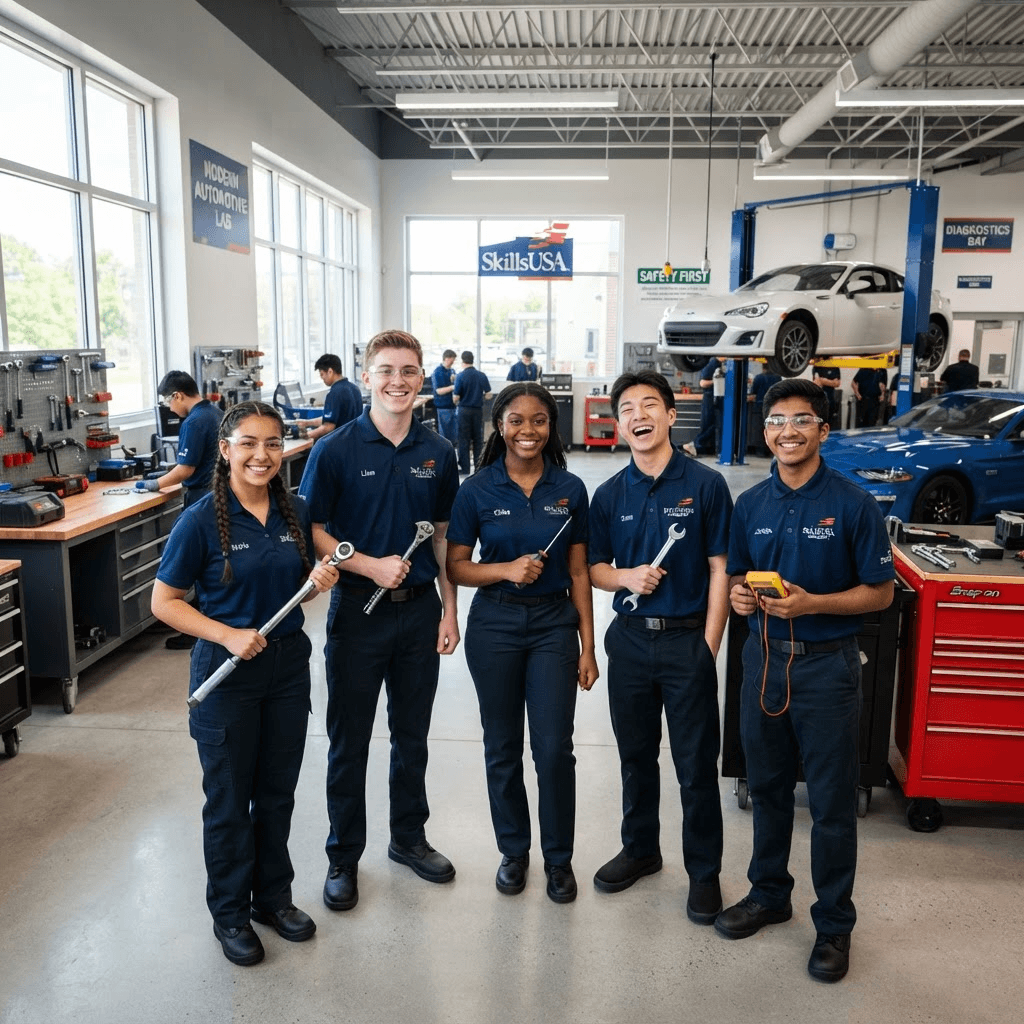
Skilled-trade training may appeal to students who prefer practical learning over sitting in a classroom. Trades reward people who like tangible results, developing a specialized ability, and a shorter, more focused path into career development.
A skilled trade is a specialized, practical skill you build through training and practice. Many trades do not require a four-year degree, and they exist across many industries, from construction and manufacturing to automotive work.
Interested in cars?
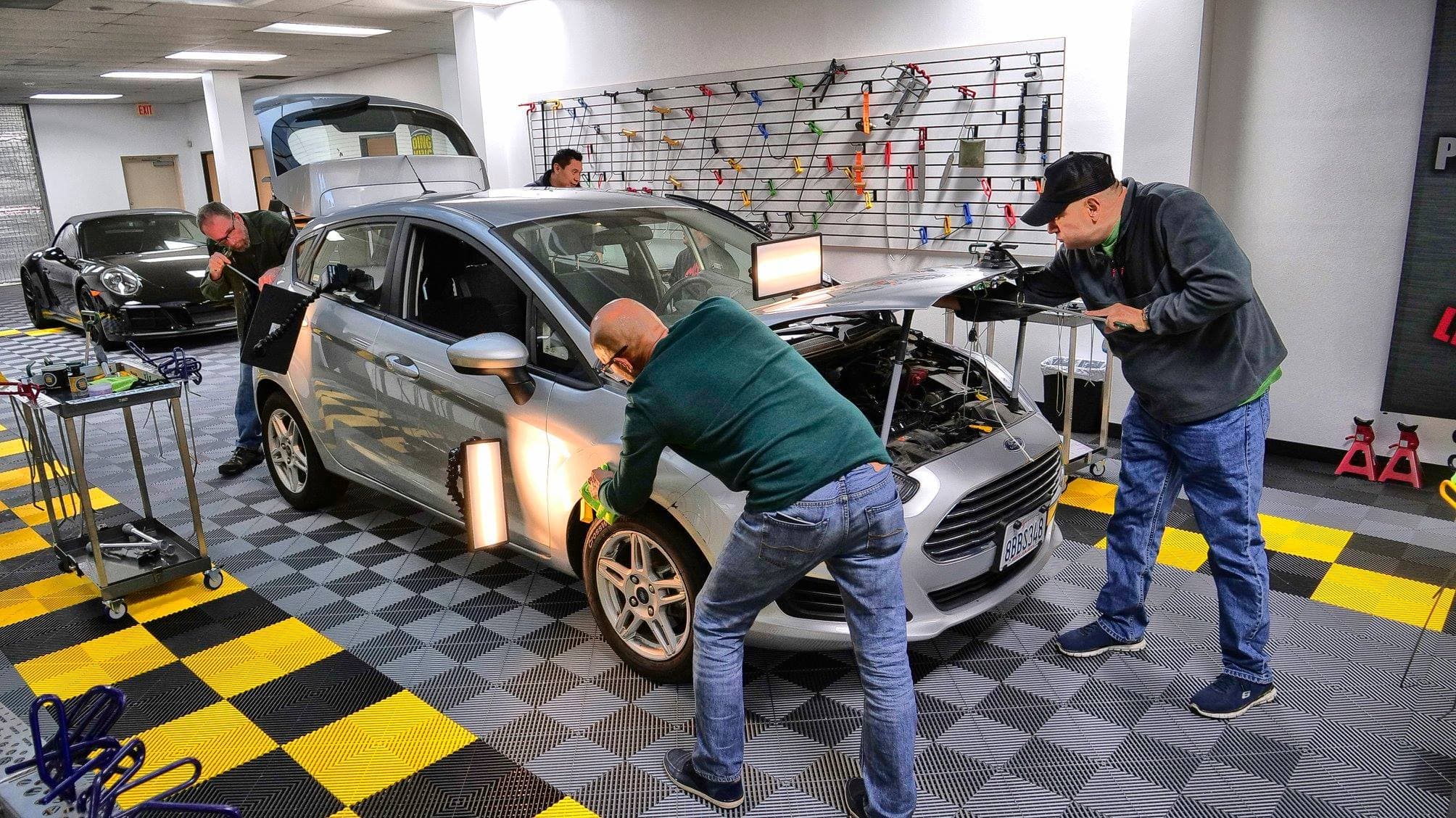
If you like cars and working with your hands, automotive reconditioning is one skilled-trade path worth knowing about. Reconditioning is the work of restoring a vehicle’s appearance through skills like paintless dent repair, paint correction, detailing, and more. It is a specific, learnable craft that many people have never heard of.
You do not have to decide anything today. The most useful next step is simply learning what options exist so you can find the one that fits you.
Frequently Asked Questions
College is one option among many. You can consider community college, skilled-trade training, apprenticeships, military service, entering the workforce, entrepreneurship, or a structured gap year. The right choice depends on how you like to learn, what career you want, and your finances.
No. Many people take time to explore before committing. What helps most is understanding the options available and asking honest questions about your interests, learning style, and goals.
Hands-on learners often do well in skilled trades and apprenticeships, which emphasize practical, learn-by-doing training and shorter, more focused pathways into a field.