What if my child doesn’t want to go to college?
A child who does not want to go to college still has many legitimate paths, including trade and technical school, apprenticeships, military service, certifications, the workforce, and entrepreneurship. The goal is to help them find a path that fits their interests, learning style, and goals rather than defaulting to one option.
Not wanting college is not a lack of ambition. Many motivated young people simply learn better by doing and prefer a more direct route into a career. Understanding the alternatives helps you have a productive conversation instead of a worried one.
Helping your senior choose a career
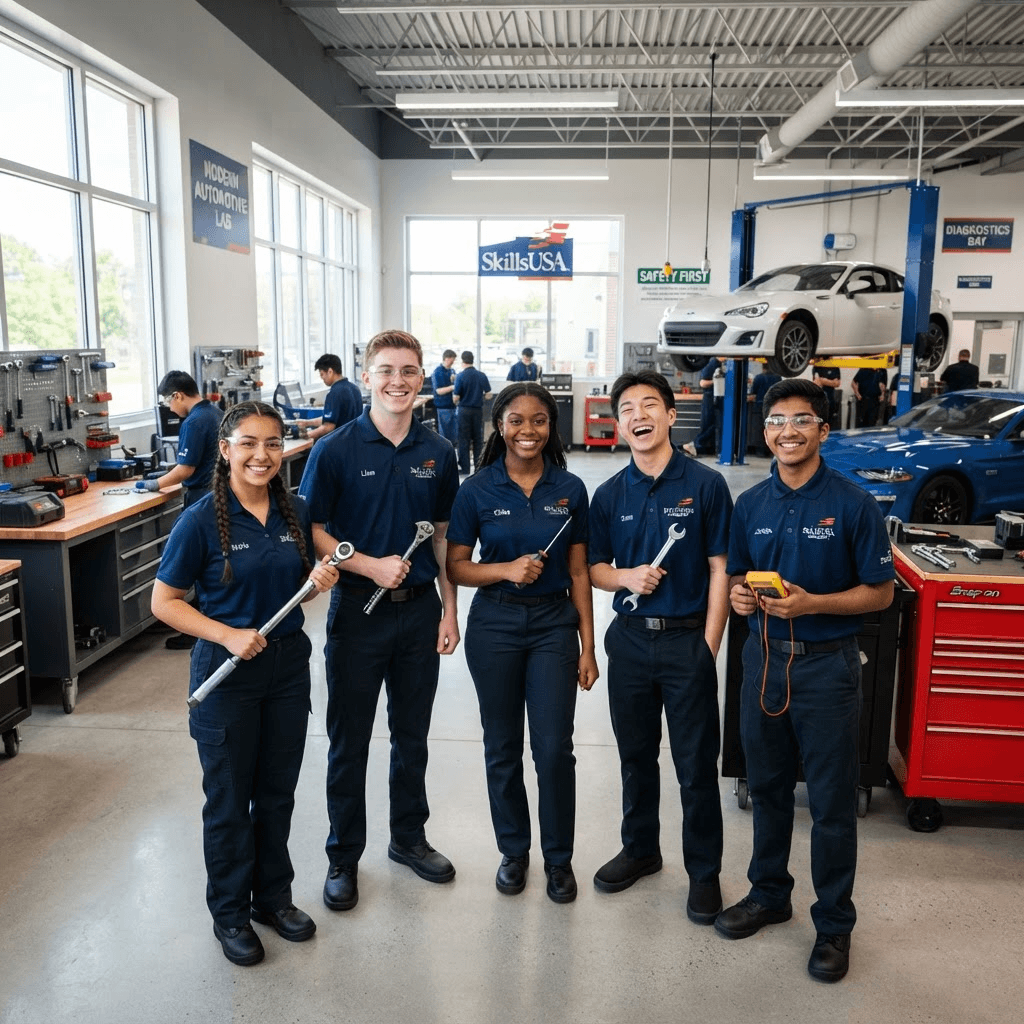
Start with interests and learning style rather than job titles. Does your child like working with their hands? Do they prefer seeing tangible results? Do they light up around cars, tools, or building things? Those signals often point more clearly than a list of careers ever could.
College vs. career training: questions to ask
- Does the career my child wants actually require a four-year degree?
- How does my child prefer to learn, in a classroom or hands-on?
- How long does each path take, and what does it cost?
- What can my child do with the training or degree afterward?
- Does my child want the option to run their own business someday?
How to evaluate a trade or career school
To evaluate a trade or career school, look at how established it is, whether it is properly licensed, what the training actually covers, how hands-on it is, and what support students receive. Ask direct questions and be cautious of any school that guarantees income, jobs, or business success.
- Is the school established and properly licensed?
- What exactly does the training cover, and how hands-on is it?
- What do students leave with, such as skills, tools, or credentials?
- Are claims realistic, with no income or job guarantees?
Career options for hands-on learners
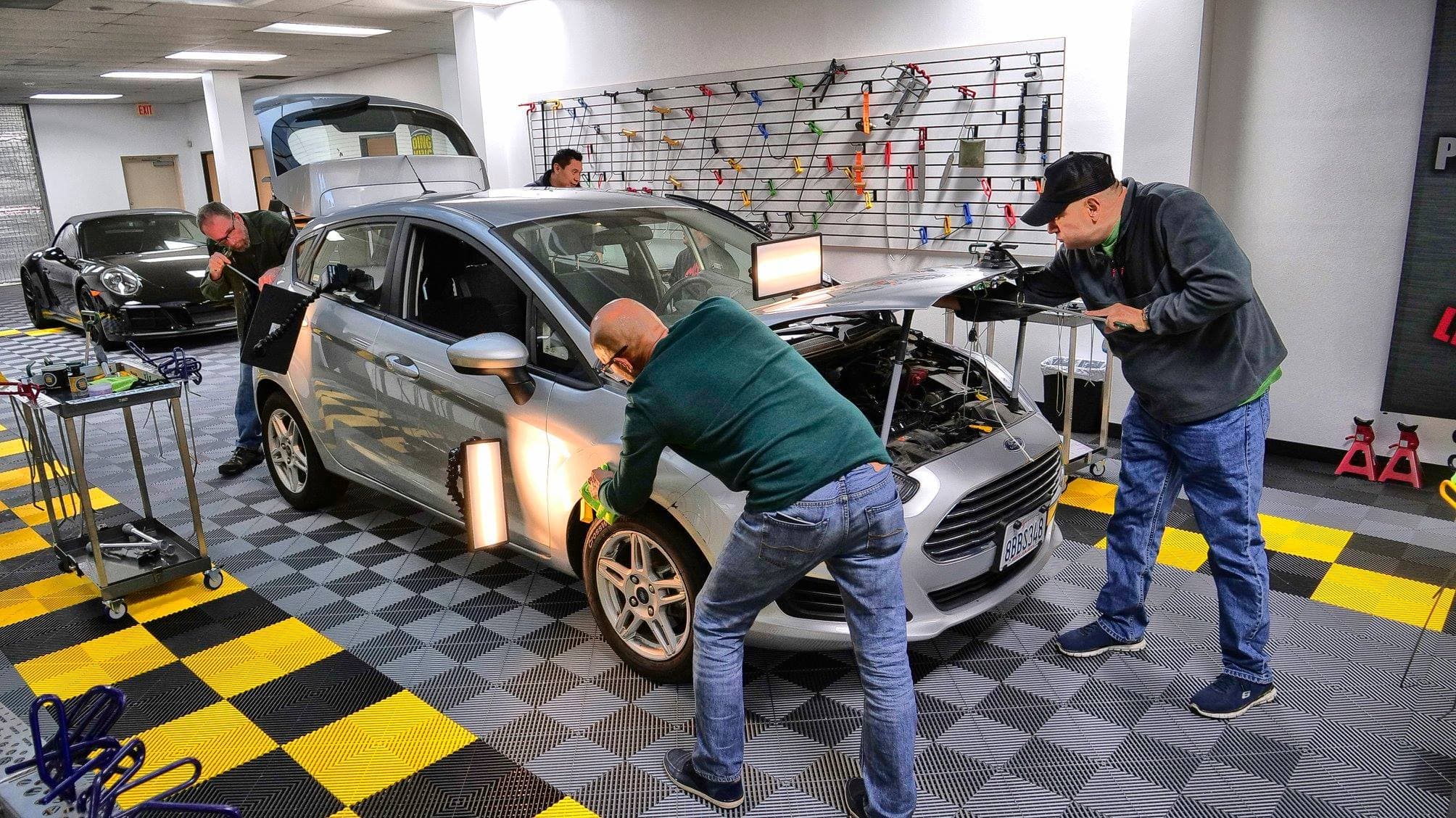
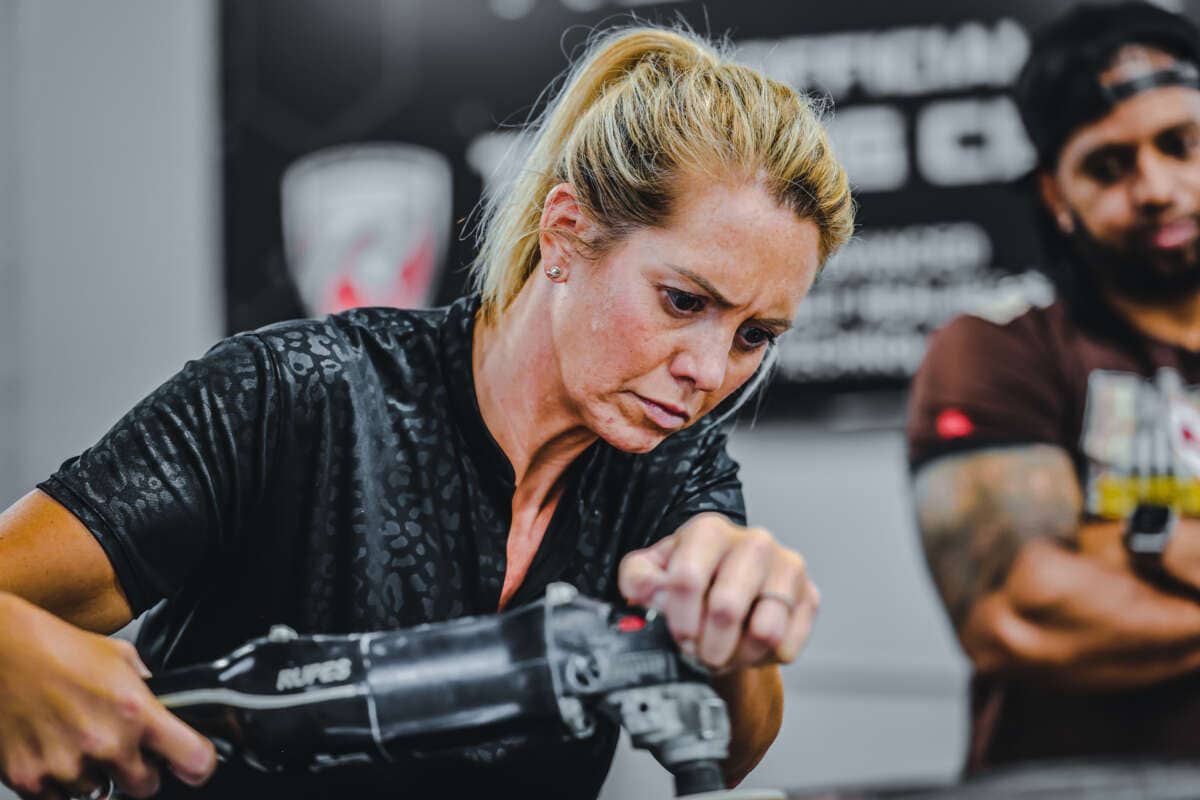
Hands-on learners often thrive in skilled trades, where they can work with tools and materials, solve practical problems, and see the results of their work. Automotive reconditioning is one example of a hands-on trade, covering skills like paintless dent repair, detailing, and paint correction.
What is automotive reconditioning?
Automotive reconditioning is the skilled work of restoring a vehicle’s appearance. It includes services like paintless dent repair, paint chip repair, interior repair, wheel repair, windshield repair, detailing, and odor removal. It is a specialized trade with its own tools, techniques, and career paths.
Can skilled trades lead to self-employment?
They can. A specialized skill can become the foundation for a business when paired with fundamentals like pricing, customer service, and marketing. A skill alone does not guarantee a successful business, and no honest program promises income, but the combination gives motivated people a real path to try.
For a deeper walkthrough written specifically for families, visit the parent center.
Frequently Asked Questions
There are many legitimate paths besides a four-year degree, including trade school, apprenticeships, military service, certifications, the workforce, and entrepreneurship. Focus on finding the path that fits your child’s interests and learning style.
Look at how established and properly licensed it is, what the training covers, how hands-on it is, and what support students receive. Be cautious of any school that guarantees income, jobs, or business success.
Yes, a specialized skill can be the foundation for a business when combined with pricing, customer service, and marketing fundamentals. Success is never guaranteed, but the combination creates a real opportunity.