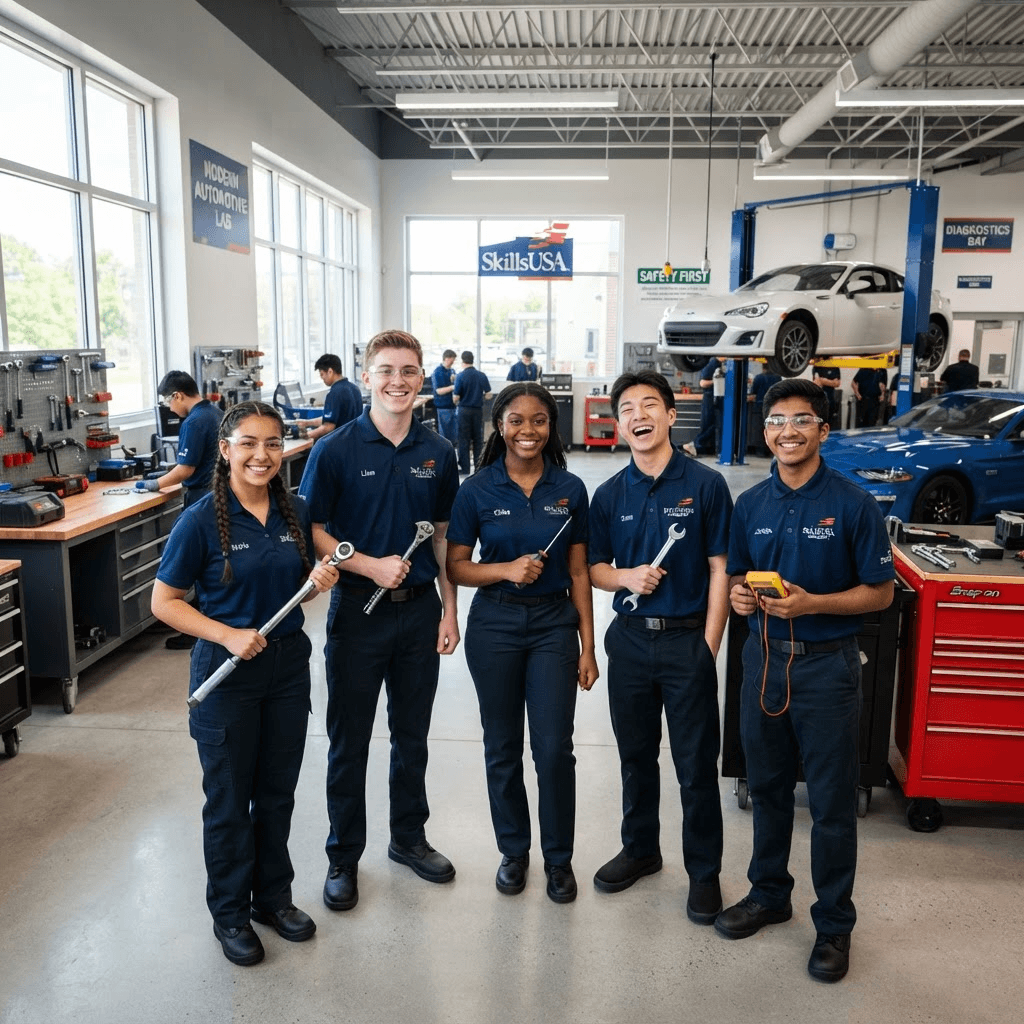
A skilled trade is a career based on a specialized, practical skill that you develop through focused training and hands-on practice. Many trades do not require a four-year degree, and they span industries including construction, manufacturing, electrical, plumbing, and automotive work.
How skilled trades work
Trades share a few common traits: they center on a specialized technical skill, they are learned through practical training rather than mostly lectures, and proficiency grows with practice and experience.
- They center on a specialized technical skill.
- They are learned largely through hands-on practice.
- Proficiency develops over time as you do the work.
- Many do not require a four-year degree.
- They exist across many different industries.
Examples of trades include electrical work, plumbing, welding, HVAC, carpentry, and automotive work. Automotive reconditioning is one category within the automotive trades.
Why some students thrive in skilled trades
Trades tend to fit people who want to see tangible results and build real expertise. Common reasons people do well in the trades include:
Hands-On Learning
You learn by doing the work, not just reading about it.
Visible Results
You can see the outcome of your work at the end of a job.
Problem Solving
Each job brings a practical challenge to work through.
Technical Mastery
You build genuine expertise in a specialized skill.
Continued Development
There is always another technique or specialty to learn.
Career Mobility
Skills can travel across employers, regions, and roles.
Automotive reconditioning as a trade
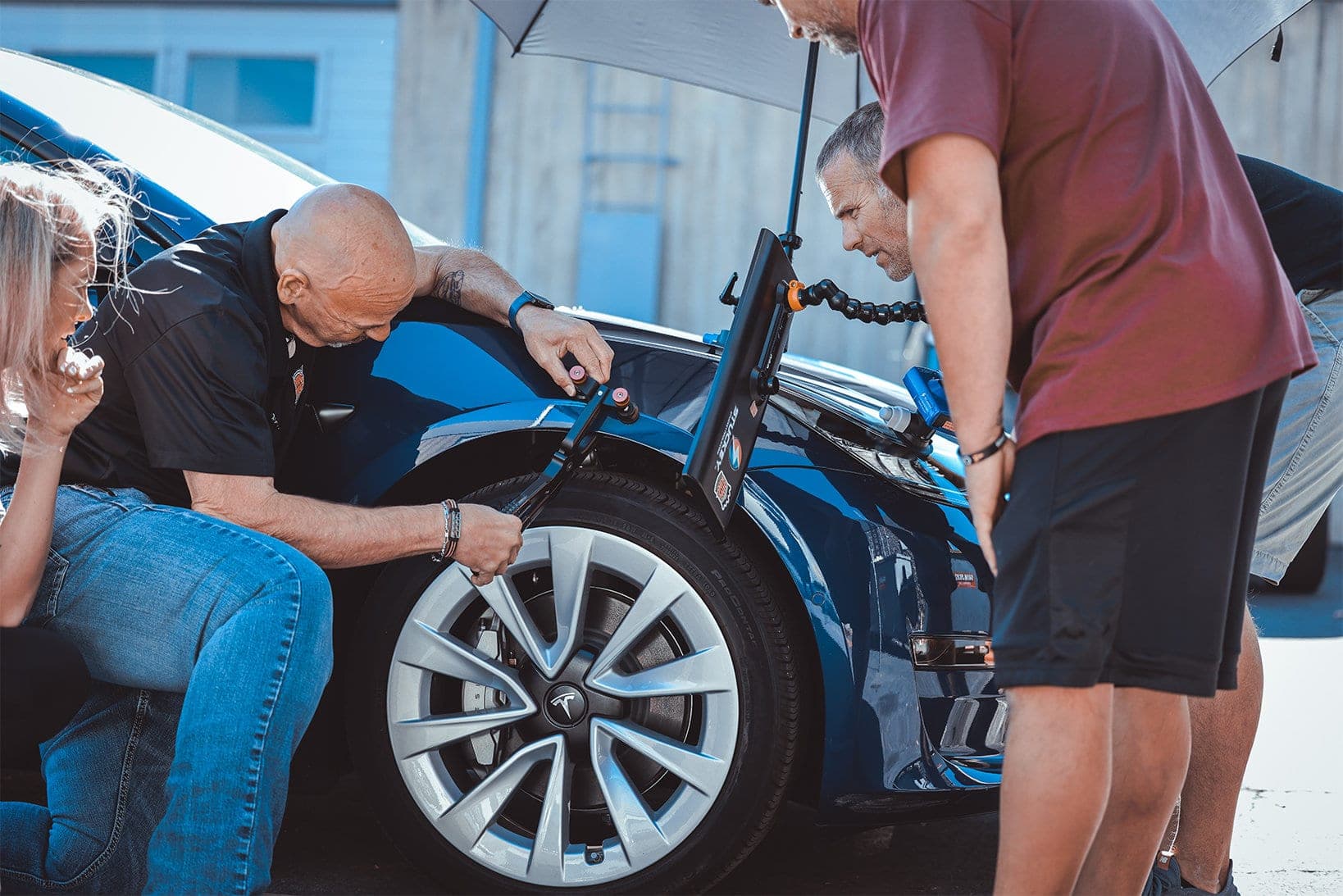
Automotive reconditioning is the skilled work of restoring a vehicle’s appearance. It includes services like paintless dent repair, paint chip repair, interior repair, wheel repair, windshield repair, detailing, and odor removal. It is a specialized trade with its own tools, techniques, and career paths.
If the idea of learning a specific, hands-on craft appeals to you, and you like cars, reconditioning is worth a closer look.
Frequently Asked Questions
A skilled trade is a career based on a specialized, practical skill developed through training and hands-on practice. Many trades do not require a four-year degree and exist across many industries.
Examples include electrical work, plumbing, welding, HVAC, carpentry, and automotive work. Automotive reconditioning is one category within the automotive trades.
Trades can be a strong fit for people who enjoy hands-on work, visible results, and building specialized expertise, often on a shorter training timeline than a four-year degree.